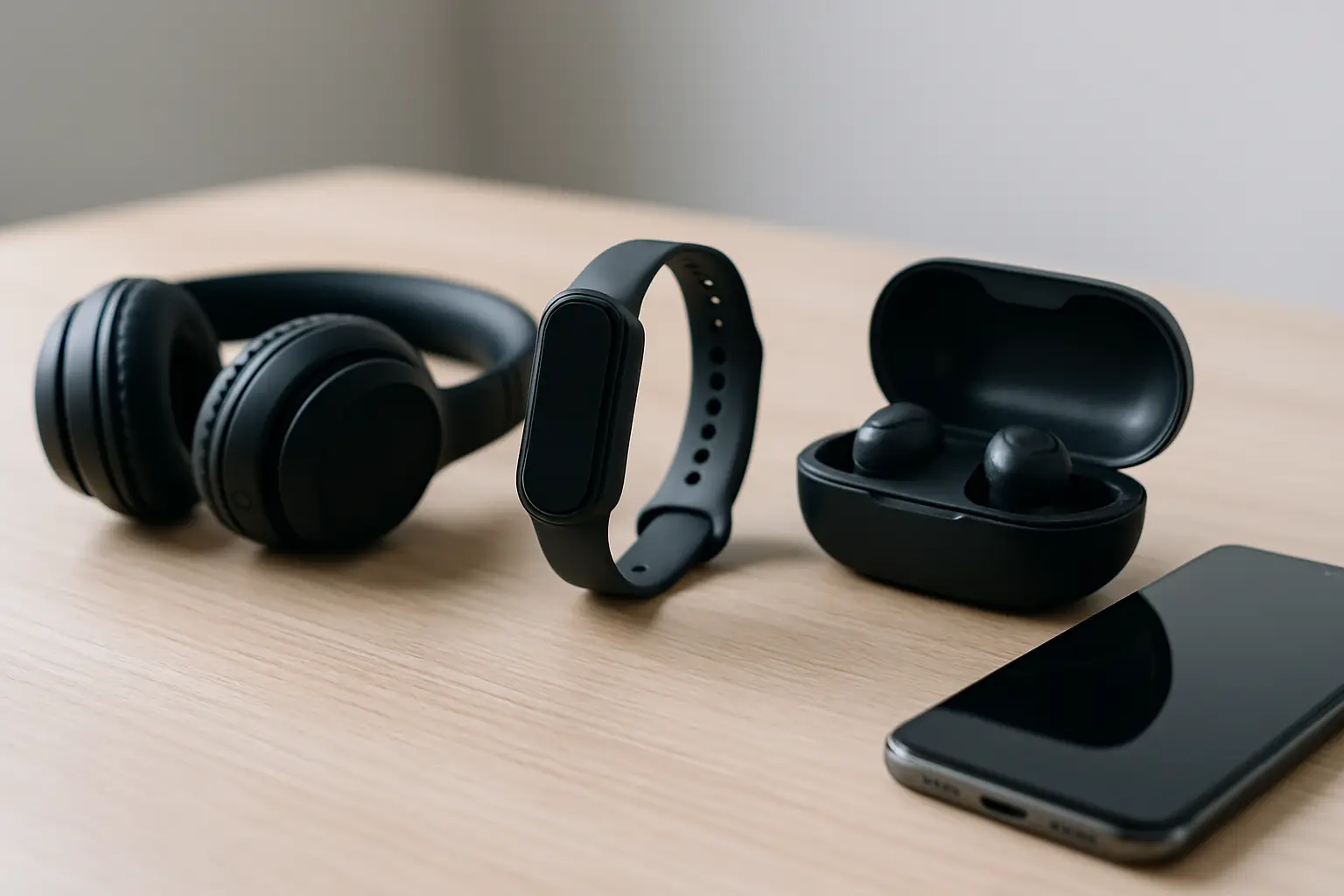
You know that feeling when a £19.99 gadget turns up, you unbox it, and five minutes later you’re thinking: “Right… this is why it was £19.99.” We’ve all been there. The UK is flooded with cheap tech, but genuinely affordable gadgets are the ones that save time, solve a real problem, or replace a more expensive bit of kit—without becoming drawer clutter by the end of the week.
This is your no-fluff guide to affordable tech gadgets UK shoppers can buy with confidence. Not “must-haves” for the sake of it—just the stuff that tends to earn its keep, plus the trade-offs to watch for so you don’t pay twice.
What “affordable” should mean (and what it shouldn’t)
Affordable doesn’t have to mean “as cheap as possible”. For gadgets, it should mean good value over the next 12–24 months. A £12 charger that overheats, breaks, or charges at a snail’s pace can cost you more than a £20 one you’ll still be using next year.
A quick rule that helps: if it plugs into the mains, charges something expensive, or sits on your Wi‑Fi network, it’s worth being slightly fussier. That’s where quality, certification, and decent customer support matter.
Affordable tech gadgets UK homes actually benefit from
Chargers and cables that don’t mess about
A reliable fast charger is one of the best “small spends” going. Look for USB‑C Power Delivery (PD) if you’re charging modern phones, iPads, Nintendo Switch, and some laptops. For Android phones, you’ll often see PPS support mentioned (it can mean better charging efficiency).
The trade-off is simple: ultra-cheap chargers may skimp on safety or power delivery. If a plug feels feather-light, has no brand info, or the listing is vague about wattage, don’t gamble—especially if it’ll be used overnight.
Cables are similar. A cheap cable can be fine for slow charging, but for fast charging you want one rated for the power you’re pulling (for example, 60W or 100W USB‑C). If you’ve ever wondered why your phone charges fine at work but crawls at home, the cable is often the culprit.
Smart plugs (the underrated money-saver)
If you want “affordable” to translate into actual savings, smart plugs are a cracking place to start. They’re handy for lamps, heated throws, dehumidifiers, and anything you want on a schedule. You can also use them to confirm what’s really guzzling power (some models show energy use).
It depends on your setup, though. If your Wi‑Fi is patchy, smart plugs can be frustrating. And if you’re buying several, check whether they use the same app/ecosystem so you’re not juggling three different logins just to turn on a lamp.
Video doorbells and basic indoor cameras
Prices on entry-level doorbells and indoor cams have dropped massively. For families, they can be genuinely useful: parcels, late-night knocks, and keeping an eye on pets. But here’s the catch: the “cheap” device sometimes comes with a paid subscription for recording.
Before you buy, ask yourself what you actually want. Live view and motion alerts are often free. Storing clips for weeks, advanced detection, and multi-camera features might not be. If you’re on a budget, a model that supports local storage (like a microSD card) can keep ongoing costs down—just remember you’re then responsible for managing that storage.
Bluetooth trackers for keys, bags and school stuff
If your household loses keys like it’s a hobby, trackers can pay for themselves quickly. The best experience usually comes from trackers that tap into a wider network (so they can be found beyond your own phone’s Bluetooth range). That said, network-based features vary depending on what phones are nearby.
The trade-off is battery style. Some trackers have replaceable coin batteries (long-term cheaper), others are sealed and need replacing when the battery dies. If you’re buying for a child’s bag, think about durability and whether it needs to survive being thrown around.
Budget earbuds that are good enough (and when they aren’t)
Affordable true wireless earbuds have come on loads. For commuting, podcasts, and the school run, you don’t necessarily need premium sound. What you do want: decent fit, stable connection, and a case that actually holds charge.
Noise cancelling is the tricky bit. Budget ANC can be fine for steady background noise, but don’t expect miracles on a noisy train. Also check microphone quality if you take calls—cheap buds often fall down there.
If you’re buying for a teenager, look for splash resistance and simple controls. If you’re buying for yourself and you’re picky about audio, it might be worth spending a bit more once rather than buying two “nearly good” pairs.
Wi‑Fi extenders vs mesh: the honest version
If your internet dies upstairs, a budget extender can help—but it can also add a new Wi‑Fi name, halve your speeds, and create more confusion than it solves. They work best when your signal is already decent in the spot you place the extender.
Mesh systems are usually better but cost more. The affordable middle ground is buying a basic two-pack mesh on offer, especially during big sale periods. If you work from home or your kids are gaming/streaming, this is one gadget category where spending slightly more can improve daily life immediately.
Power banks that are actually useful
A power bank is only “affordable” if it suits your routine. A slim 5,000mAh bank is great for handbags and emergency top-ups; a heavier 10,000–20,000mAh one is better for travel, festivals, or long days out.
Check output wattage. If it only outputs 10W, it’ll feel slow on modern phones. USB‑C input is also worth it for faster recharging of the power bank itself. And be realistic: the cheapest high-capacity banks often exaggerate performance. Weight can be a clue—if it claims huge capacity and feels unusually light, be cautious.
Small smart speakers (worth it if you’ll use them)
Smart speakers can be brilliant for timers, shopping lists, music, and controlling smart plugs. They’re also one of the most deal-heavy gadgets in the UK, often discounted.
But they’re not for everyone. If you don’t like the idea of a microphone in the kitchen, skip it. And if you’re buying one “just because it’s cheap”, it may end up unused. The real value comes when it replaces little daily annoyances—hands-free timers while cooking, reminders for packed lunches, or quick control of lights.
How to spot a good deal (without falling for the classic tricks)
The cheapest price isn’t always the best deal, especially when you factor in returns, warranty, and how long it’ll last. A few practical checks help you avoid the most common traps.
First, get specific about specs. For chargers, look at wattage and PD/PPS. For earbuds, look for battery life figures and Bluetooth version. For cameras, check resolution and whether recording needs a subscription.
Second, watch out for “bundle maths”. A product can look like a bargain because it’s bundled with a weak accessory (a slow charger, a short cable, a tiny SD card). If you’d replace the accessories immediately, price the gadget on its own.
Third, be careful with unknown-brand “too good to be true” tech. Sometimes it’s fine; sometimes it’s e-waste with a fancy listing. Your best protection is buying from a retailer with straightforward returns—and keeping packaging until you’ve tested it properly.
If you like keeping an eye on sudden drops and genuine price glitches, that’s exactly the kind of thing we track at Price Glitches UK (especially when popular retailers quietly slash prices for a short window).
The trade-offs that matter most on a budget
When you’re shopping cheap, you’re usually trading something away—sometimes that’s fine, sometimes it’s a pain.
Battery longevity is a big one. A £25 gadget with a battery that degrades quickly can become pointless in a year. If it’s something you’ll use daily (earbuds, tracker, power bank), it may be smarter to spend a touch more for better cells and support.
Software support is another. Smart gadgets live and die by apps and updates. If the app is buggy or gets abandoned, the hardware becomes frustrating. If the gadget relies on cloud services, ask yourself what happens if the company changes the rules or starts charging.
Finally, don’t underestimate usability. If pairing is fiddly, controls are awkward, or it needs constant recharging, you won’t use it—no matter how cheap it was.
A simple “buy it, test it, keep it” approach
When you bring affordable tech into the house, test it like you mean it. Charge it fully, use it in the real location (upstairs landing, kitchen, garden office), and try the features you care about within the return window.
If it’s a smart device, set it up properly on day one: rename it in the app, add schedules, and make sure everyone who needs access can use it. That’s the difference between a gadget you forget about and one that quietly makes life easier.
The best affordable tech doesn’t feel like a compromise. It feels like you’ve outsmarted the price tag—and you’ll notice it every time you don’t have to replace a cable, hunt for keys, or shout at the Wi‑Fi from the top of the stairs.
Discover more from Price Glitches UK
Subscribe to get the latest posts sent to your email.